Yes, you can move from corporate learning and development into a K-12 classroom, and in most states the fastest route runs through an alternative certification program that takes roughly one to two years while you teach or train on the job. Your facilitation and curriculum design background counts for a lot, but a state-issued license is still non-negotiable, and requirements vary by state.
Think of this as information, not advice. Certification rules, salary schedules, and hiring markets differ by state, district, and subject, so verify everything with your state education agency before you resign from anything.
What Corporate Trainers Bring That Districts Actually Want
Instructional design, needs analysis, adult learning theory, and live facilitation are the core of both jobs. A trainer who has built onboarding academies or compliance curricula has already practiced backward design, assessment writing, and differentiation by audience.
Where the gap sits is context. K-12 teaching adds mandatory reporting duties, individualized education programs, parent communication, and classroom management for minors rather than employees. Districts value your design skills, but interview panels will probe hardest on how you handle a room of thirty teenagers who did not choose to attend.
Which Certification Path Fits a Working Trainer?
There are three common doors, and the right one depends on how fast you need income and what you already hold.
- Alternative or post-baccalaureate certification. Designed for career changers with a bachelor's degree. Coursework runs evenings or online, often with a supervised internship. This is the default route for most L&D switchers.
- Emergency or provisional permits. Shortage areas sometimes let districts hire you while you complete coursework. Faster, but less predictable and unavailable in some states.
- Traditional master's in teaching (MAT). The slowest, most expensive option, but sometimes the smoothest if you want a strong student-teaching placement before going solo.
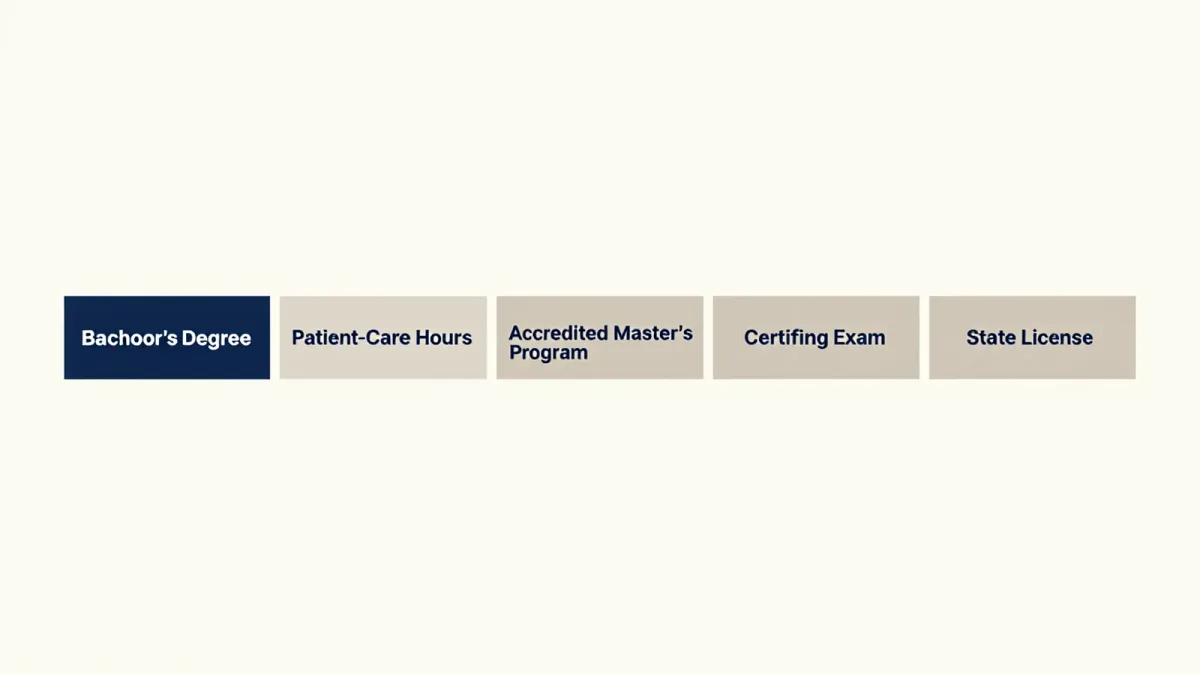
Whichever you choose, the sequence is roughly the same: transcript review, any missing content-area prerequisites, pedagogy coursework, clinical experience, then the licensing exam your state requires, such as the Praxis series.
What Does It Pay Compared to Corporate L&D?
Be honest with yourself about the money. Median pay for high school teachers was $65,220 per year as of May 2023, according to the U.S. Bureau of Labor Statistics, while training and development specialists earned a median of $63,080. The base salaries are closer than people assume; the difference is trajectory.
| Factor | Corporate L&D | K-12 Teaching |
|---|---|---|
| Median pay (BLS, May 2023) | $63,080 (training and development specialists) | $65,220 (high school teachers) |
| Raises | Negotiated per role change | Fixed salary schedule, steps by years and credits |
| Summer income | N/A | Unpaid by default; summers school or side work common |
| Pension | Rare outside large firms | Defined-benefit pension in most states |
| Entry barrier | Portfolio and interviews | State license, exams, background check |
Corporate L&D salaries can jump sharply when you change companies. Teacher pay rises on a published schedule, which trades upside for predictability. Many career changers decide the pension and loan forgiveness options offset the flatter curve; others do not. Run your own numbers.
Which Subjects Give You the Best Odds?
Your certification area determines your marketability more than your resume. Special education, math, science, and English language learning are persistently short-staffed in most states. A trainer certified in special education will typically field multiple offers; one certified in elementary general education faces tougher competition.
If your degree is in business or communications, a business education or career and technical education endorsement may map most directly onto your transcript. Many states also let career and technical teachers enter with industry experience in place of some pedagogy credits, which is worth asking about specifically.
How Long Will the Transition Take?
Plan on twelve to twenty-four months from decision to your own classroom, assuming you already hold a bachelor's degree. A realistic sequence looks like this:
- Request a transcript evaluation from your state education agency in month one.
- Choose a certification route and enroll; complete prerequisite courses if your degree is outside your target subject.
- Pass the required content exam, typically the Praxis subject assessment for your state.
- Complete supervised clinical hours or a residency year, depending on the route.
- Apply for the license, complete the background check, and enter district hiring pools in early spring.
Districts hire for fall mostly between March and June, so timing your application window matters more than polishing another portfolio piece.
What Should You Do Before Quitting?
Test the reality first. Substitute teach for a few weeks, or volunteer with an after-school program, before you commit a year and tuition to licensure. Classroom management with adolescents is the most common reason career changers cite for leaving early, and no facilitation background fully prepares you for it.
Also price the move locally. Ask a target district for its current salary schedule and where your prior experience lands on it. Some districts credit unrelated professional experience toward placement on the pay scale; many cap or exclude it, which can mean starting near the bottom despite fifteen years in industry.
Where Do Career Changers Struggle Most?
Ask around and the honest accounts converge on a few predictable friction points. The first is pace: corporate training measures success in completion rates and satisfaction scores, while schools measure it in a year of learning growth for every student, including those who arrive years behind. The accountability feels different when a child's progress, not a quarterly metric, is on the line.
The second is autonomy in the wrong direction. Many trainers leave industry to escape stakeholder committees, only to discover that teachers answer to state standards, district pacing guides, department chairs, and families at once. You will likely have less creative freedom in year one than you had in any corporate role.
The third is energy rhythm. Schools run on an unbroken schedule of interactions from first bell to last, with a twenty-five-minute lunch. Trainers accustomed to recovery time between sessions report the daily intensity as the single biggest surprise, more than behavior management itself.
How Should You Plan the Money Side?
Build a transition budget before you enroll, not after. Alternative certification programs range from a few thousand dollars at public universities to fifteen thousand or more at some national providers, and exam and fingerprinting fees arrive in small, annoying increments. Some districts and charter networks cover tuition in exchange for a multi-year commitment, which is worth comparing against paying your own way.
Check two federal programs early. Teacher Loan Forgiveness cancels up to $17,500 in Direct Loans for teachers who spend five years in a low-income school in a qualifying subject, and Public Service Loan Forgiveness applies to the balance after ten years of payments while teaching. Neither is a reason to change careers by itself, but both change the arithmetic for mid-career switchers carrying student debt.
Finally, decide how you will handle the income dip during student teaching. Most clinical placements are unpaid full-time for a semester, which is the point where under-prepared career changers commonly stall. Cash reserves or a part-time program format are the two standard fixes.
Is the Trade Worth It?
Trainers who thrive in classrooms usually report the same rewards: longer relationships with learners, visible growth, public-service purpose, and job security that corporate learning has rarely offered since pandemic-era budget cycles. The costs are equally consistent: lower lifetime ceiling, evening grading, emotional load, and less control over your curriculum early on.
The transition works best as a deliberate downgrade in flexibility traded for meaning and stability. If that framing fits your situation, your L&D experience is a genuine asset, and the door is open in every state.