Expert Voice
When a school replaces letter grades with skill ratings, the transcript changes shape — and so does the conversation with admissions offices.
By Samuel Achebe • October 4, 2026
Expert Voice
Mississippi's widely studied NAEP reading gains followed a statewide push toward evidence-aligned early-reading instruction. NCTQ's teacher-prep research offers a way to weigh that model against the case for leaving curriculum choice to districts.
By Samuel Achebe • September 4, 2026
Expert Voice
RAND's American Instructional Resources Survey has tracked a real tension in schools adopting highly scripted curricula: consistency gains that show up in the data, and morale costs that show up in exit interviews. A principal implementing a mandate from the district office has to manage both.
By Samuel Achebe • September 2, 2026
Expert Voice
K12 Security Information Exchange has tracked a steady stream of ransomware and data-breach incidents against school systems. A cyber policy bought without verifying the district's own baseline controls often costs more and covers less than leaders expect.
By Samuel Achebe • August 24, 2026
Expert Voice
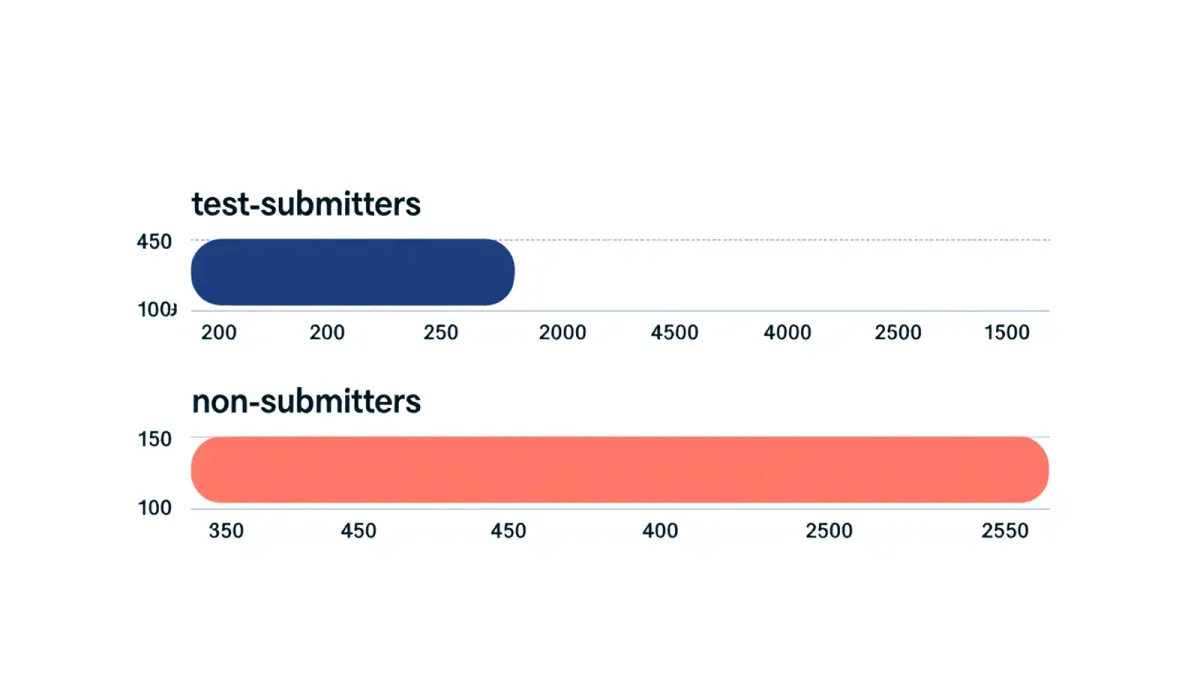
NACAC's State of College Admission research has tracked years of test-optional policy since the pandemic pushed most institutions to adopt it. The evidence on what test-optional actually changes is more mixed than either side of the debate tends to admit.
By Zara Nasser • August 10, 2026
Expert Voice
A persistent national shortage of speech-language pathologists, school psychologists, and related-service providers has pushed many districts toward contracted staffing. The Council for Exceptional Children's compliance guidance is a useful lens for weighing the tradeoffs.
By Samuel Achebe • July 20, 2026
Expert Voice
The New Teacher Center's induction research links strong mentoring to lower early-career attrition, but only when mentors get real time to do the job. A stipend that buys no time off a mentor's own teaching load often buys weaker mentoring.
By Zara Nasser • July 6, 2026
Expert Voice
The Data Quality Campaign has documented how often district-nonprofit partnerships move faster than the data agreements governing them. A partnership built on goodwill instead of a written FERPA-compliant agreement is a liability waiting to surface.
By Zara Nasser • June 22, 2026
Expert Voice
The American Council on Education and SHEEO have both tracked a wave of program discontinuations as colleges face the demographic enrollment decline. Provosts who cut on enrollment numbers alone routinely damage programs the data does not fully capture.
By Zara Nasser • June 8, 2026
Expert Voice
Economist Paul Thompson's research on Oregon's four-day districts, since expanded by other researchers, found real savings and real academic tradeoffs. School boards considering the switch need both halves of that finding, not just the budget relief.
By Samuel Achebe • May 25, 2026