
What an EdTech Degree or Bootcamp Actually Gets You
Credentials open some doors in education technology, but the field hires for many roles a diploma never covers.
By Victor Petrov • October 23, 2026
Credentials open some doors in education technology, but the field hires for many roles a diploma never covers.

Psychology careers run through graduate degrees and state licenses: PhD and PsyD tracks feed clinical work, schools form the second-largest employer group, and May 2024 median pay spanned $86,930 to $109,840 by specialty.
Separating the AI classroom tools likely to last from the ones built for a sales cycle.
Parents can support homework with fixed routines, stop lines, question-based coaching, and factual notes to the teacher when the load runs past research thresholds.
When a school replaces letter grades with skill ratings, the transcript changes shape — and so does the conversation with admissions offices.
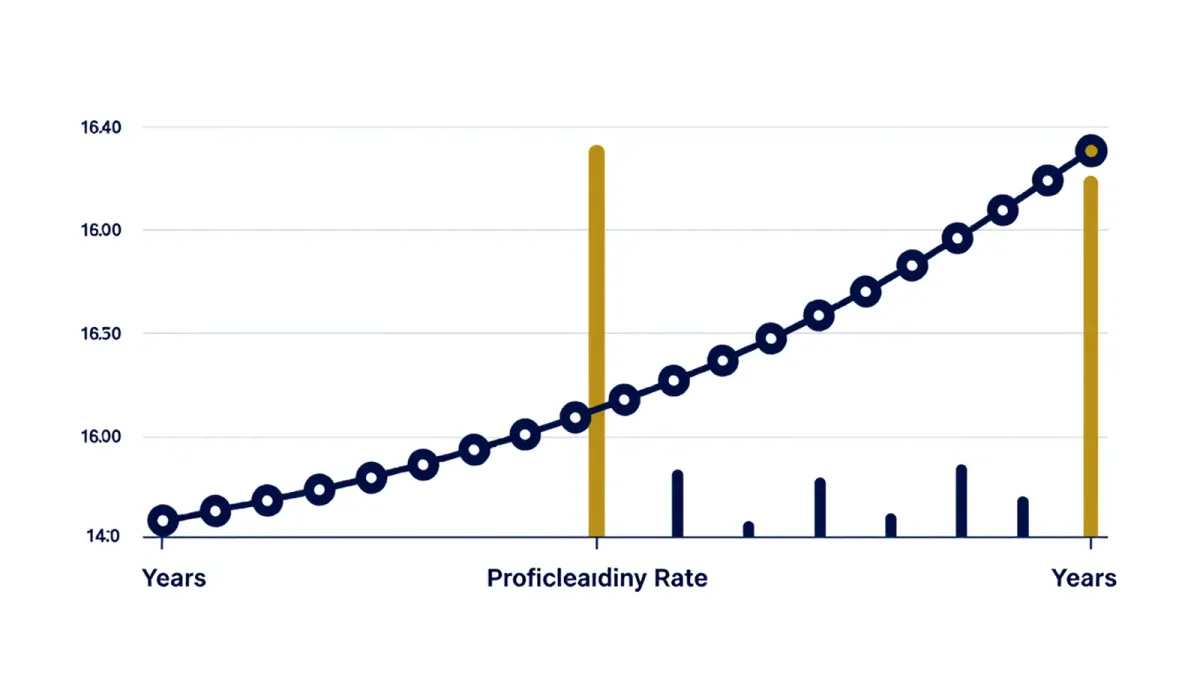
Mississippi's widely studied NAEP reading gains followed a statewide push toward evidence-aligned early-reading instruction. NCTQ's teacher-prep research offers a way to weigh that model against the case for leaving curriculum choice to districts.

RAND's American Instructional Resources Survey has tracked a real tension in schools adopting highly scripted curricula: consistency gains that show up in the data, and morale costs that show up in exit interviews. A principal implementing a mandate from the district office has to manage both.
K12 Security Information Exchange has tracked a steady stream of ransomware and data-breach incidents against school systems. A cyber policy bought without verifying the district's own baseline controls often costs more and covers less than leaders expect.
Five Owls ran unattached from the varsity plan at Georgia Tech's invitational, and the results show why coaches schedule meets like this.
The shortage is less about too few people who want to teach and more about how many trained teachers leave, and why.
A UTC profile of junior Chloe Mondido is a useful window into NSF's undergraduate research program — read carefully.
Repayment structures, forgiveness fights, and the policy choices that decide what borrowers actually pay.

Portfolios, skills, and channels that actually move candidates from application to interview.

A rule meant to curb fraud in the $5.2 billion school-internet program is drawing warnings that small and rural districts will carry the heaviest new paperwork load.
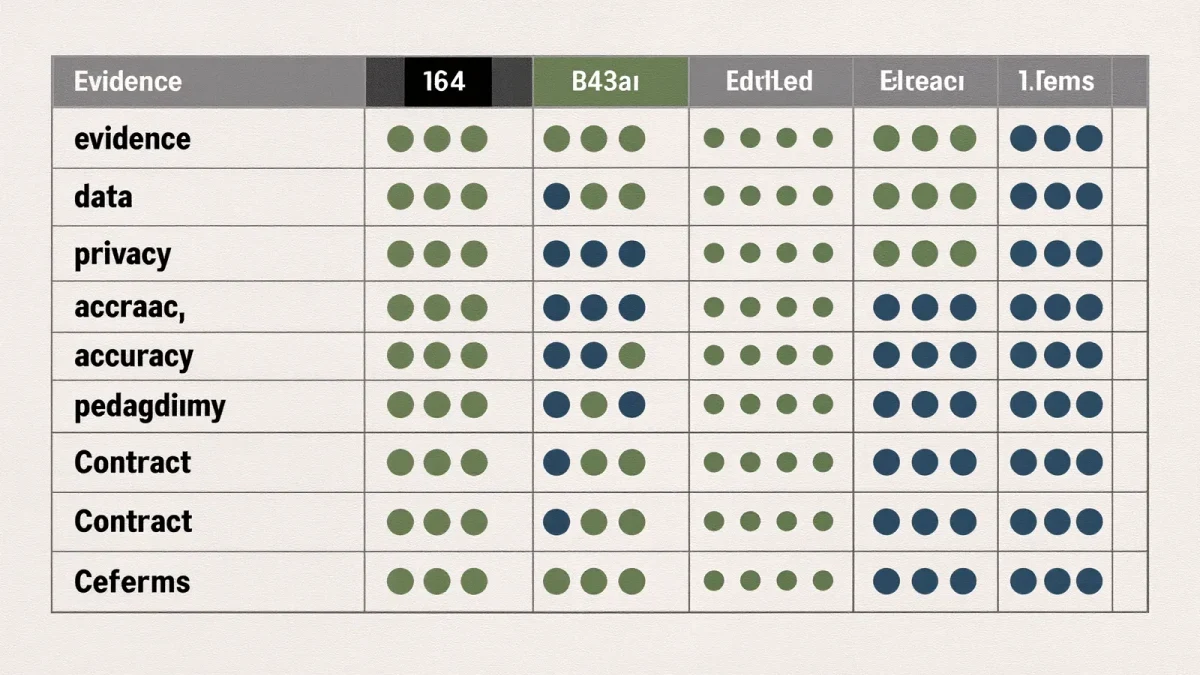
A due-diligence guide: the questions about evidence, data, accuracy, and pedagogy districts should put to every AI tutoring vendor.

Free, openly licensed curricula can cut textbook costs — if districts apply the same quality bar they use for commercial materials.
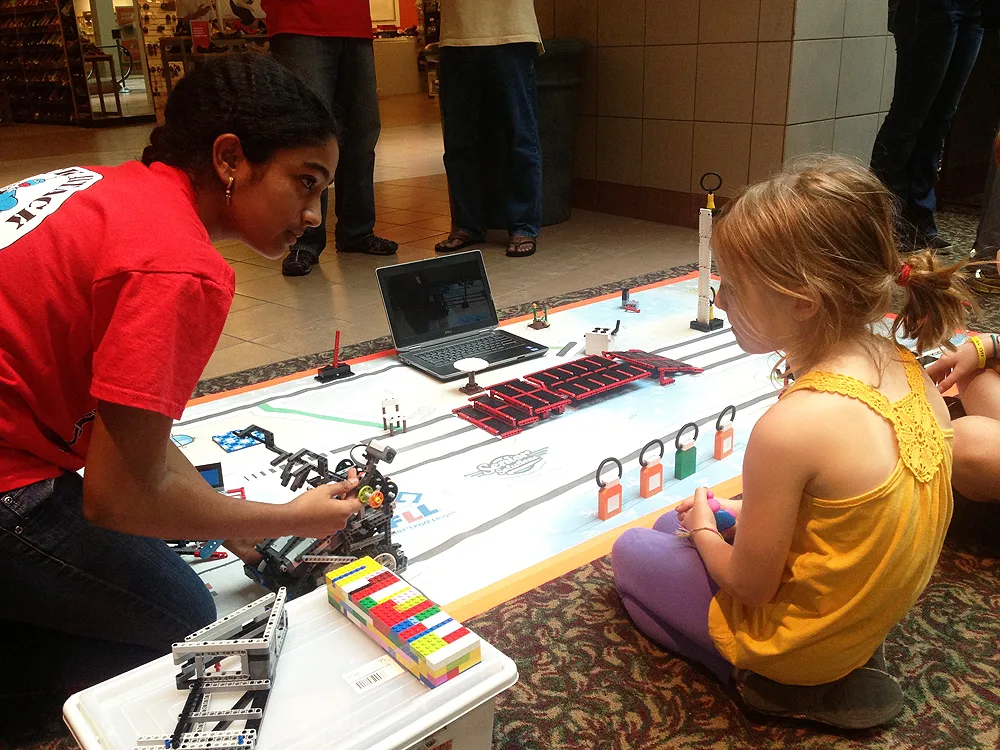
A parent-and-teacher guide to career exploration that starts with what children actually wonder about, not with career-day stereotypes.
Some jobs treat sustained, quiet concentration as the core skill. Here is how to find them, and what to weigh before you switch.
Gigi's Creative Corner pays artists with housing instability to teach — and gives a school a low-cost way to test what art instruction can do.
A sequencing plan for switching fields while protecting your income, savings, and sanity.
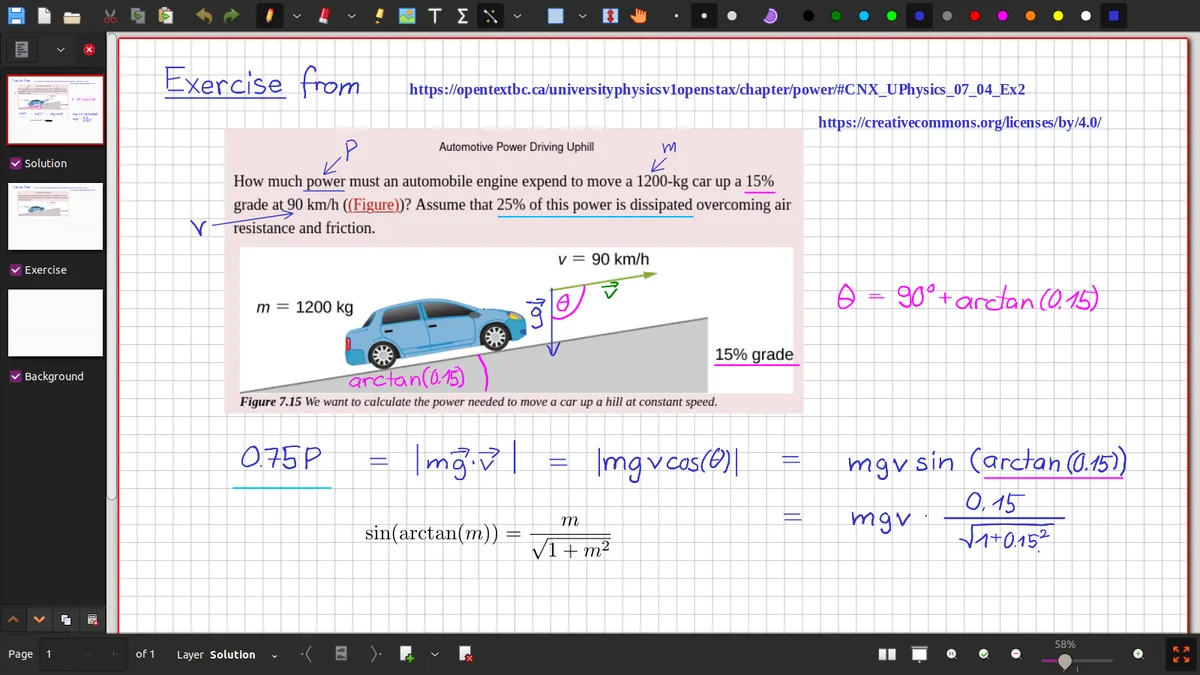
Cornell, outline, mapping and charting compared across lectures, reading and seminars — with the honest limits of each.

A step-by-step guide to gathering documents, writing the letter, and asking a aid office to take a second look.
Alternative certification routes exist in every state, run in a year to two, and — unlike the traditional path — are built around evening and online coursework.
About 18% of U.S. public school teachers entered the classroom through an alternative route, per NCES — here is how the licensure pathway actually works, who uses it, and what it pays.
The subs who become legends share a small set of habits, and none of them require a teaching credential.

A five-to-eight-minute anonymous survey in an Oklahoma district is a window into how schools measure public trust.
The redesigned federal aid form survived its disastrous first cycle — but aid-award timing and small-college enrollment effects are still working through the system.