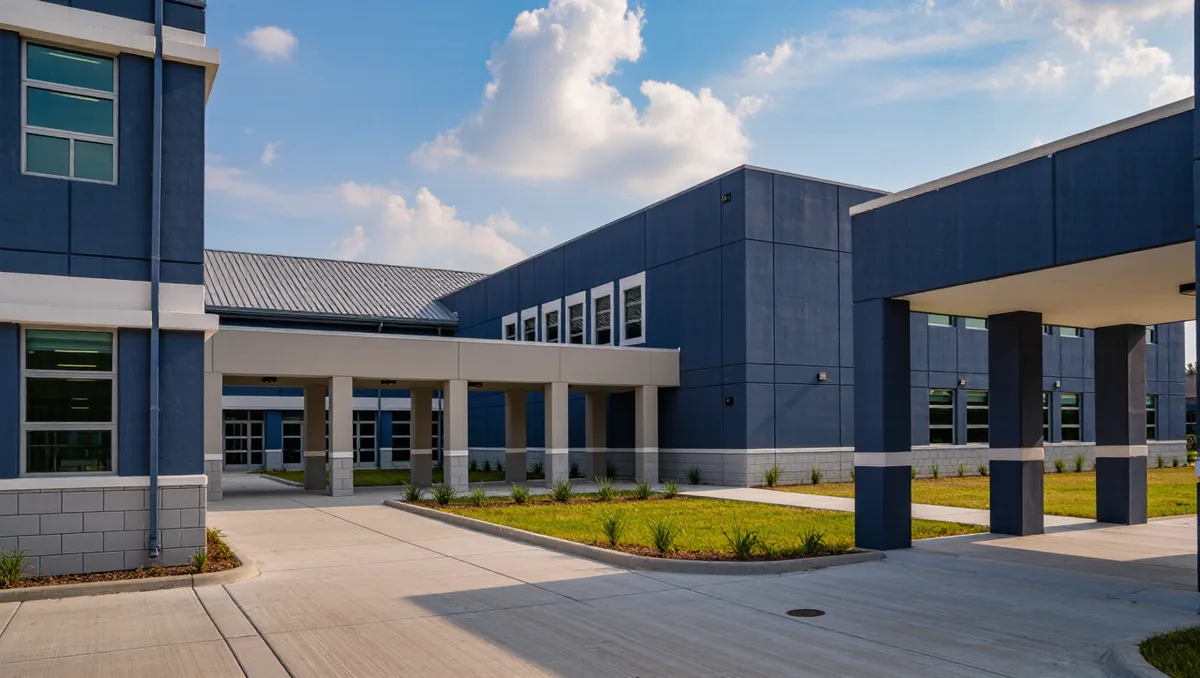
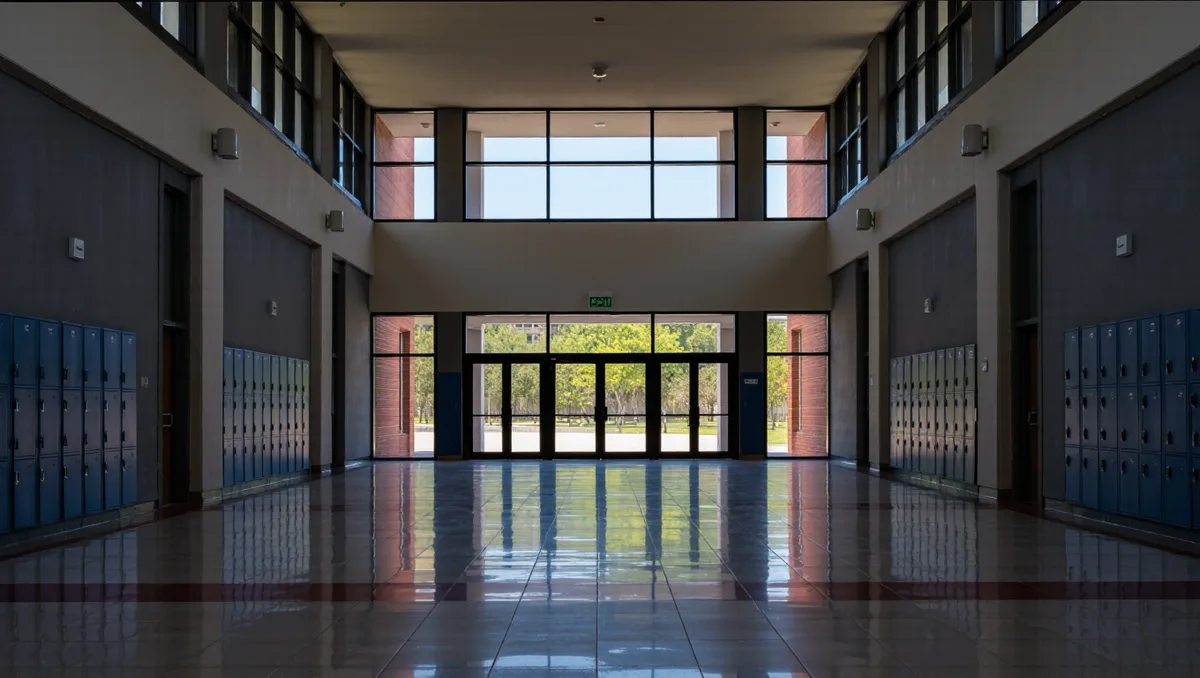
Broken Arrow Public Schools is asking parents, staff, and community members what they think of public education. The Oklahoma district joined a nationwide research survey on confidence in K-12 education, and the questionnaire is anonymous, takes five to eight minutes, and stays open through October 9, according to KTUL. The invitation extends to the whole BAPS community, not just families with children enrolled.
For educators elsewhere, the story matters less for one district's inbox and more for the method. Confidence surveys are one of the few tools a district can use to hear from residents who never attend a board meeting, and FOX23 reported the same details: anonymous responses, a short time commitment, and a hard closing date. This guide explains how these surveys work, what they can and cannot tell a district, and what participants and staff should watch for.
What is a confidence-in-education survey?
A confidence-in-education survey is a structured questionnaire that asks residents how much trust they place in public schools and why. In the Broken Arrow case, the district describes it as a nationwide research survey, with local parents, staff, and community members invited to share opinions on public education. The word "research" signals that responses are meant to be analyzed, not just collected. Readers following this should also see How State Cellphone Ban Laws Actually Work in K-12 Schools.
These surveys differ from a complaint form or a comment box. They ask a defined population a defined set of questions, usually on a fixed schedule. Because the Broken Arrow survey is anonymous, respondents are not asked to attach their name to their views. That design choice is deliberate: people tend to answer more honestly when their answers cannot be traced back to them.
Why districts run them
A district cannot read minds, and board meetings draw a self-selected crowd. A survey reaches people who would never show up in person, including families who work two jobs, residents without children, and staff who hesitate to speak publicly. Anonymity lowers the cost of candor.
The time limit also matters. Five to eight minutes is short enough that many people will finish, which protects the response rate. A survey open through October 9 gives the community a window of weeks rather than days. Districts that skip this step tend to learn about a confidence problem the same way they learn about everything else: after it shows up at a board meeting or an election.
There is a classroom-side benefit too. Teachers and school staff are invited respondents in Broken Arrow, which means the people closest to students get a formal channel alongside parents. Staff perceptions of how the community sees them are part of the confidence picture, and they are usually the hardest to capture any other way.
How to read the results carefully
Confidence surveys produce numbers, and numbers invite over-reading. A few habits keep the interpretation honest, whether you are a board member, a reporter, or a teacher reading the summary.
- Check who was invited. Broken Arrow invited parents, staff, and the broader community. A survey of only parents would measure something narrower.
- Check who actually responded. An anonymous survey cannot force balance across groups; a high response from one segment can move the totals.
- Separate opinion from fact. Confidence is a perception. It can rise or fall for reasons that have nothing to do with instruction.
- Look for the comparison. A "nationwide" survey implies a benchmark; the useful question is how a district's results compare with the national picture, not whether the number is high in isolation.
None of this is a flaw in the method. It is just the difference between treating survey output as a conversation starter and treating it as a verdict.
What participants should know before answering
If your district runs a survey like this, a few practical points help. First, confirm the deadline. Broken Arrow's window closes October 9, and late responses typically do not count. Second, confirm anonymity terms before writing anything you would not attach your name to; the district describes this survey as anonymous, which is the feature that makes frank answers possible.
Third, answer as yourself, not as a spokesperson. The value of a confidence survey comes from the spread of views, not from a coordinated message. A parent who answered in eight minutes between shifts has contributed exactly what the instrument was built to collect.
For staff, the calculus is slightly different. A survey response is not a grievance filing and does not replace formal channels. But it is a legitimate place to record a professional judgment about how the community perceives the schools, and anonymous design exists precisely so that judgment can be stated without risk.
What happens after the survey closes
The reporting on Broken Arrow covers the invitation, not the findings, so no results exist yet in the public record. What typically follows a closure date is analysis, then a summary shared with the board or the community. The honest position for any reader right now: the district has opened a channel, and what it does with the responses is the part worth watching.
Confidence is not built by a questionnaire. It is built by what changes afterward, which is why the follow-through matters more than the response count. Readers tracking how districts communicate, fund, and evaluate their work can find related coverage in our education news section, including how school funding actually works through Title I and state formulas and how teacher evaluations are structured. Broader context on the people doing this work appears in our careers coverage. We covered a connected angle in How School Funding Actually Works: Title I and State Formulas.
The evidence so far is simple: one Oklahoma district invited its community to speak, anonymously, for eight minutes or less. What the responses show, and whether they change anything, remains unknown until the district shares them.