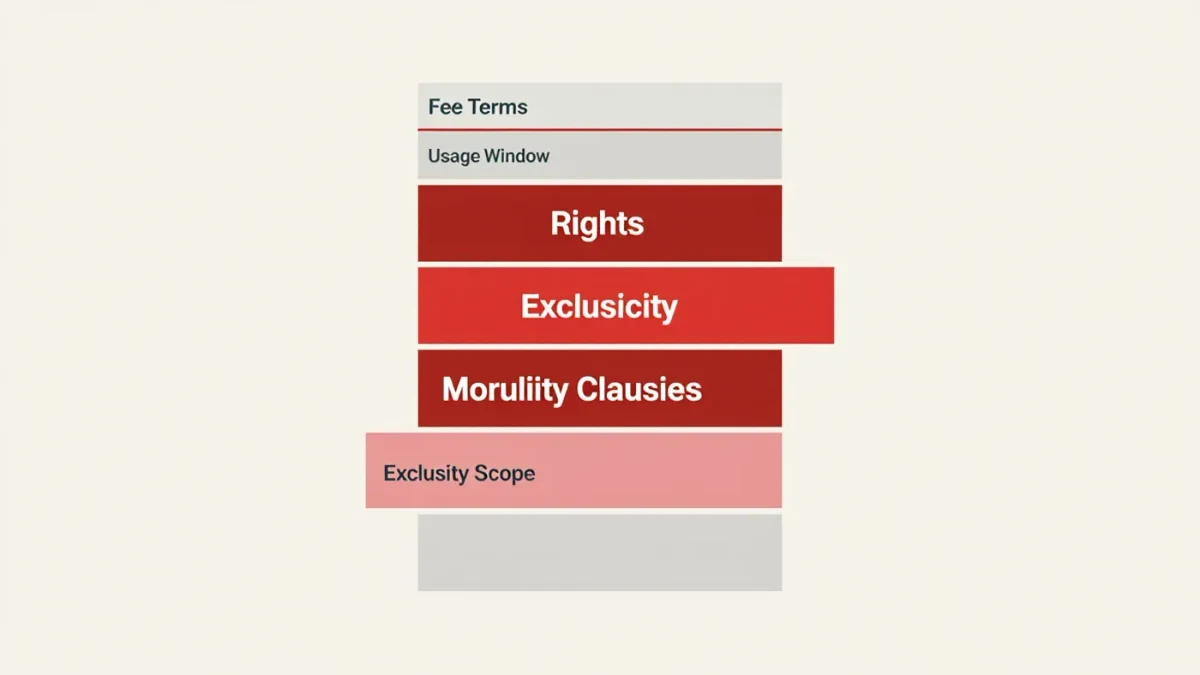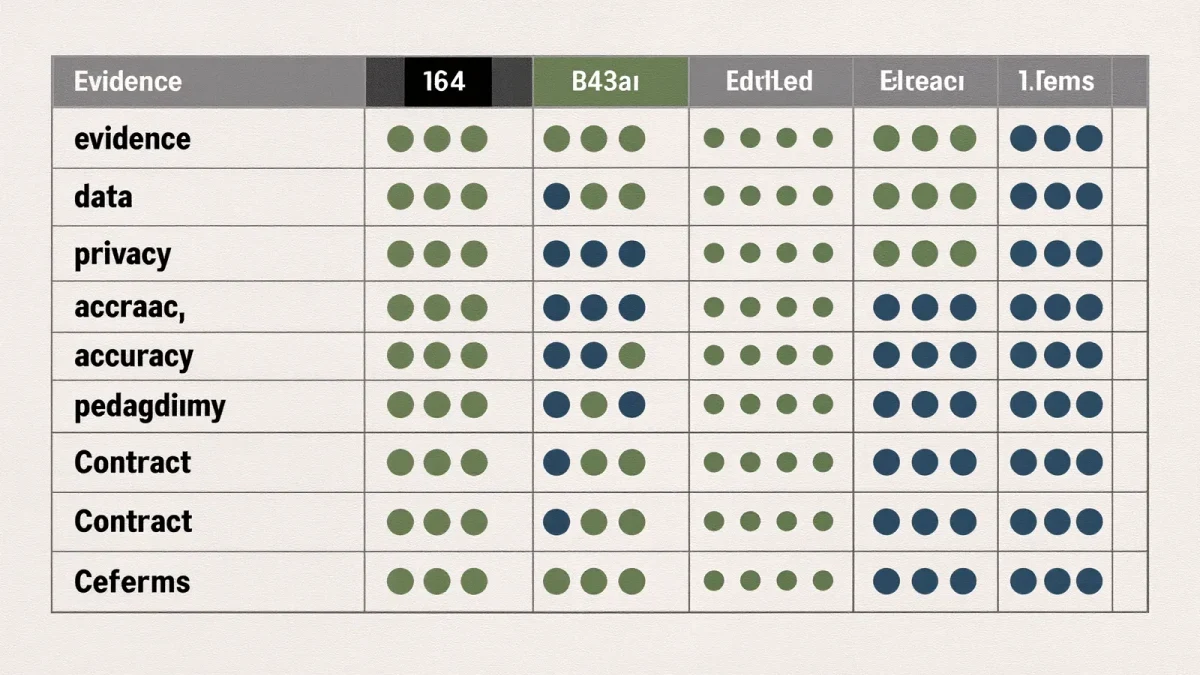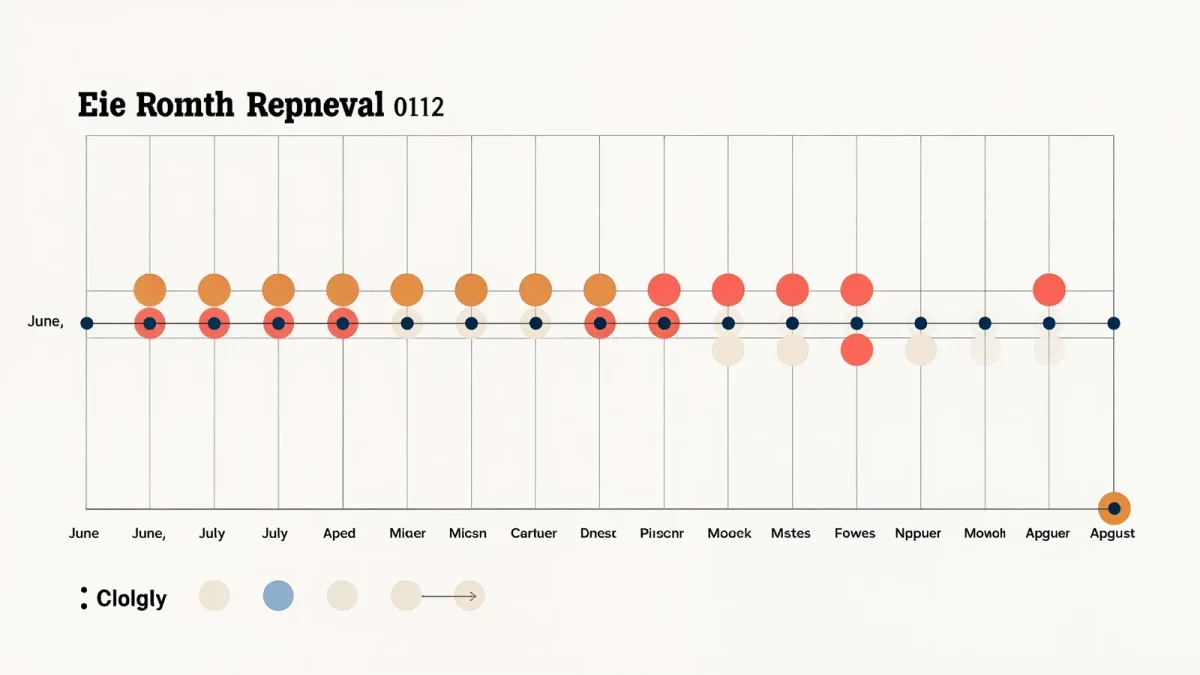
The most expensive problems in district edtech are usually written into the contract long before anyone notices them. Data ownership clauses that let vendors keep or reuse student information, automatic renewals with short cancellation windows, and pricing that resets without a cap are all standard vendor language that districts accept under deadline pressure. Procurement staff and education law attorneys who review these agreements regularly identify a consistent set of red flags, and every one of them is negotiable if raised before signature. After federal pandemic relief funding expired in September 2024, districts cutting software budgets learned these lessons the hard way when cancellation proved harder than expected.
Why does data ownership language matter so much?
Under FERPA, the Family Educational Rights and Privacy Act of 1974, vendors holding student records operate as school officials only within limits the contract defines. If the agreement is silent or vague about ownership, the vendor may claim rights to aggregate, de-identified, or derived data generated by students using the platform — datasets with real commercial value in product development and model training. Strong district language states plainly that the district owns all student data and work product, that the vendor holds it solely to deliver the service, and that any de-identification or secondary use requires separate written permission. Since 2023, districts have increasingly added explicit clauses about whether student data may train artificial intelligence models, a question older contracts never anticipated.
What are the classic auto-renewal traps?
Auto-renewal itself is not the problem — districts sometimes prefer it — but the surrounding terms often are. The recurring traps: notice windows of sixty or ninety days that fall during summer break when nobody is watching the calendar; renewal price escalators written as vendor discretion rather than a capped percentage; renewal terms that automatically extend from one year to three; and cancellation procedures that require certified mail or a specific portal form. Practical districts negotiate renewal notice windows that land between September and March, price caps tied to a stated index or fixed percentage, and cancellation by ordinary written notice from an authorized district official.
Which contract terms deserve the closest reading?
| Clause | Red flag | Better position for districts |
|---|---|---|
| Data ownership | Vendor claims ownership of derived or de-identified data | District owns all data; vendor uses it only to deliver the service |
| Auto-renewal | Short summer notice window; uncapped price increase | Fall or winter window; capped escalator; one-year renewals |
| Termination | Early termination fees on full remaining contract value | Pro-rated fees or termination for non-use and service failures |
| Liability | Cap lower than foreseeable breach costs | Higher cap; carve-outs for data breach and confidentiality |
| Service levels | No uptime commitment or remedy | Stated uptime with credits or termination rights |
| Exit and data return | Export only in vendor formats, for a fee | Free machine-readable export within a defined period |
What hidden costs appear after signature?
Experienced business officers look beyond the license line for implementation and onboarding fees, charges for data migration or rostering setup, per-hour professional development beyond a token bundle, support tiers that put basic help behind a premium phone line, and storage or usage overages. Another quiet cost is enrollment-based pricing billed on projected rather than actual October enrollment, which penalizes declining-enrollment districts. The fix is procedural: require an all-in first-year and three-year cost estimate in the vendor's proposal response, and make it contractually binding.
How should termination and exit clauses read?
Every edtech contract should assume the relationship ends. Districts should have the right to terminate for material service failure — defined, not vibes — and for convenience with defined pro-rated compensation rather than the full remaining value. The exit clause should guarantee complete data export in documented, machine-readable formats at no additional charge within thirty days of the contract's end, followed by certified deletion of student data from vendor systems, including backups, within a stated period. Vendors that resist deletion certifications are telling districts something worth hearing.
What about references and vendor stability?
Contract risk includes the possibility the vendor disappears. Before signing, ask for references from districts of similar size that have used the product for at least two full years, and ask those references the renewal question specifically: what changed in year two's pricing and terms? Check the vendor's business situation where information is public, and prefer contracts with data-escrow provisions for critical systems. The subscription model cuts both ways for districts — it lowers entry cost but concentrates the switching burden on exit, which is exactly why the exit clauses deserve as much negotiation time as the price.
Who should review the contract before signature?
At minimum three offices: technology, for integration and security terms; the data privacy officer or designated official, for FERPA and state privacy compliance; and the business office, for fiscal terms and renewal mechanics. Large districts add board counsel for liability language. The recurring organizational failure is a contract reviewed by one office and signed by another department entirely, which is how summer auto-renewals and AI-training clauses slip through. A simple shared checklist and a single contract register, listing every software agreement with its renewal date, prevents most of it.
Which renewal habits save the most money?
Three habits account for most documented savings. First, a single contract register with every software agreement and its renewal date, reviewed monthly by the business office — the register alone ends most surprise renewals. Second, an annual utilization review comparing licensed seats to monthly active users, which routinely reveals double-digit percentages of licenses nobody opens. Third, batching renegotiations so the district negotiates from its whole portfolio rather than one tool at a time. None of these requires new staff or consultants, only calendar discipline and one spreadsheet someone actually owns.
What leverage do districts actually have?
More than they usually believe. The best moment to negotiate is between the selection decision and signature, when the vendor has already spent sales effort and wants to close the quarter. Districts also gain leverage through cooperative purchasing agreements, where consortia have already negotiated standard terms, and through collective action: state associations and regional service agencies increasingly share model contract language that individual small districts could never demand alone. A district that walks away from bad terms also builds a reputation that improves the next negotiation, because vendor account teams talk.
What should happen after the contract is signed?
Contract management is a year-round discipline, not a signing event. Responsible districts calendar the renewal notice date at signature, schedule an annual usage review with actual login and license-utilization data, and re-verify that the vendor's current privacy terms still match the signed agreement, since vendors sometimes update online terms that are incorporated by reference. When the renewal decision arrives, it should be a decision — evidence in hand, alternatives considered — rather than the default outcome of a missed deadline. That single habit, applied across a portfolio of dozens of tools, is worth more than any clever clause.