The National Association of Charter School Authorizers, the professional body that sets standards for the agencies granting and renewing charter contracts, publishes model performance frameworks that most authorizers adapt for their own accountability contracts. A charter board that treats that framework as a renewal-year document, rather than a running scorecard to track from the day a contract is signed, is managing renewal risk far too late to change the outcome when it matters.
This is a framework for reading and managing authorizer risk, not legal or contractual advice specific to any authorizer's terms, which vary by state and by agency.
What Do Authorizer Performance Frameworks Actually Measure?
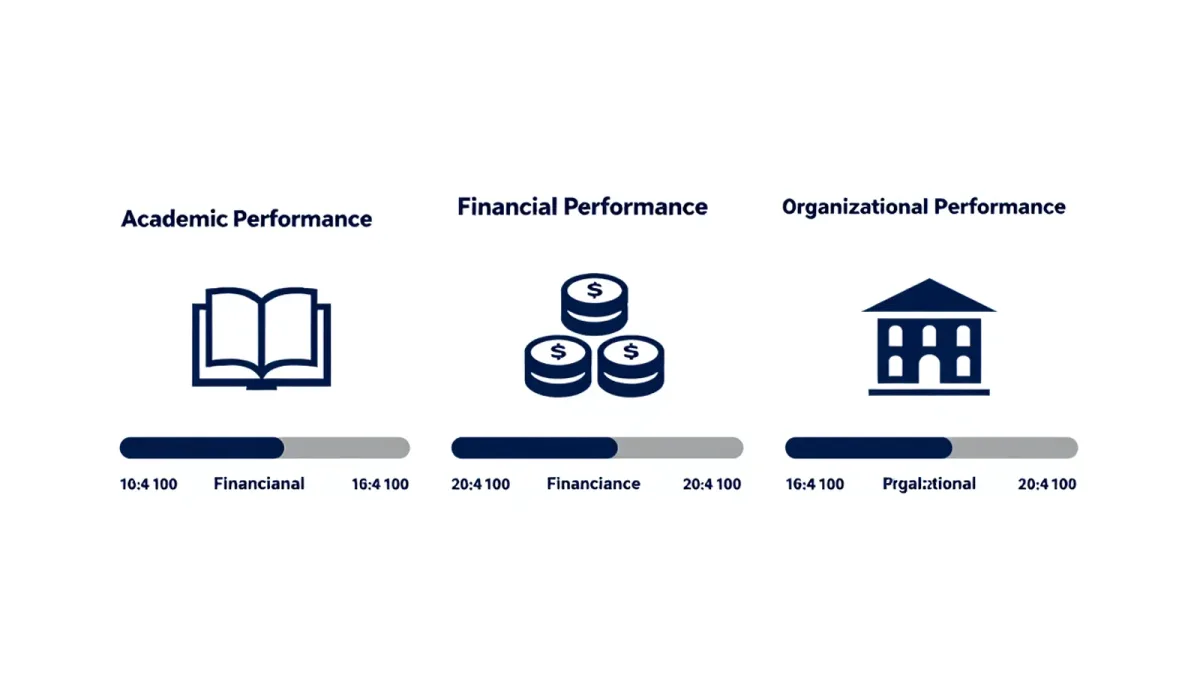
NACSA's model framework and the frameworks it has influenced generally organize around three domains: academic performance, typically measured against both absolute proficiency and growth metrics relative to comparable schools; financial performance, covering solvency ratios, cash reserves, and compliance with audit requirements; and organizational performance, covering board governance practices, compliance with the charter contract's specific terms, and legal and regulatory compliance including special education and civil rights obligations.
A board that only reviews academic data closely, while treating the financial and organizational domains as compliance paperwork, is managing exactly the two-thirds of the framework most likely to trigger non-renewal even when academic performance is adequate — authorizer decisions More frequently turn on financial fragility or governance failures than on test scores alone, according to NACSA's own guidance to authorizers on what should trigger intervention.
What Should a Board Track Every Year, Not Just at Renewal?
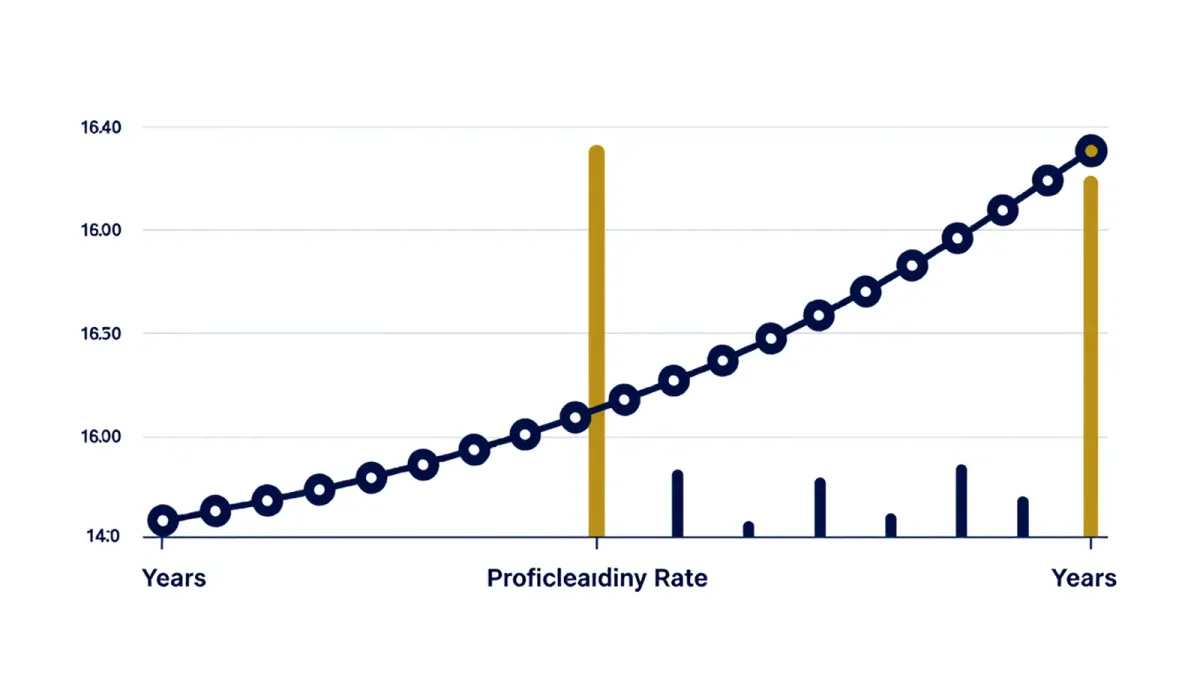
A running scorecard, reviewed at every regular board meeting rather than assembled only for the renewal application, should track: academic metrics against the authorizer's specific published thresholds, not a generic state average; financial ratios — days of cash on hand, debt service coverage — against the authorizer's minimum standards; and a compliance checklist covering the charter contract's specific reporting deadlines and legal obligations, since a pattern of late or incomplete compliance filings is itself a governance red flag independent of the substance of what was filed late.
Boards that build this tracking into a standing agenda item catch a slipping metric with enough runway to intervene — a curriculum change, a financial corrective-action plan, a governance training — long before an authorizer's site visit turns a soft concern into a formal notice.
What Triggers Increased Authorizer Scrutiny Between Renewal Cycles?
Most authorizer frameworks specify interim triggers independent of the multi-year renewal calendar: a sustained drop in enrollment, since it directly threatens per-pupil revenue and financial solvency; leadership turnover, particularly at the executive director or principal level, which authorizers generally treat as an organizational-stability risk factor; and any formal complaint or compliance finding related to special education, discipline, or civil rights, which typically triggers a review regardless of where the school sits in its charter term.
A board that proactively reports and addresses these triggers, rather than waiting for the authorizer to raise them, generally fares better at renewal than a board whose first substantive conversation with the authorizer about a known problem happens at the site visit.
How Should a Board Prepare for the Renewal Application Itself?
By the time the formal renewal application is due, a board following the running-scorecard approach is compiling evidence it has already reviewed for years, not assembling a defense from scratch. That preparation should include: a clear narrative connecting any dip in a metric to the specific corrective action taken and its measured result, since authorizers weigh a documented response to a known problem very differently from an undisclosed one; and direct engagement with the authorizer's staff well before the application deadline, since most authorizers will flag likely areas of concern to a school that asks, rather than saving every finding for the formal review.
What Should a Board Do If Renewal Risk Is Already High?
A board that recognizes serious renewal risk only within a year of the decision has limited options, but they are real: a formal corrective-action plan submitted proactively to the authorizer, rather than waiting to be asked, and financial or governance restructuring — such as bringing in additional board expertise or professional management support — that authorizers can point to as evidence a struggling school took its own accountability seriously before being forced to.