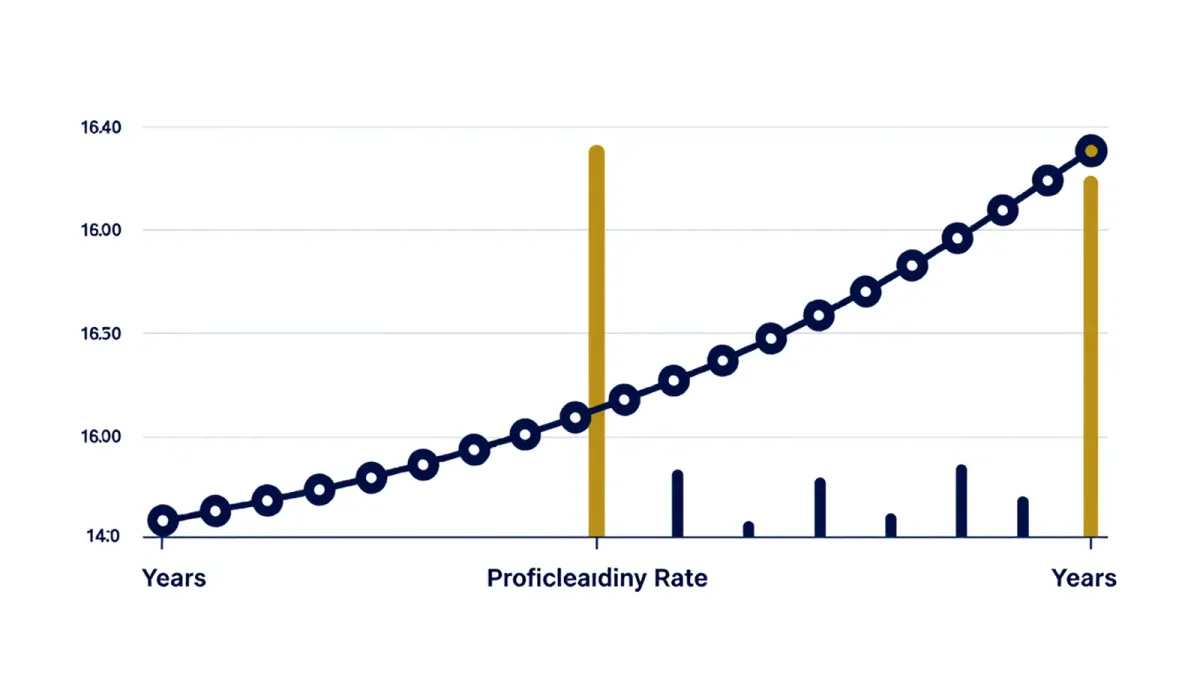
Paul Thompson, an economist at Oregon State University who has studied four-day school week adoption in Oregon and Colorado, has published some of the most detailed research on what the switch actually does to a district: it produces genuine operating-cost savings, primarily on transportation and food service, and it is also associated with measurable academic effects that are not neutral in his findings, particularly in math, and particularly in the elementary grades. A board weighing the switch primarily as a budget or staff-recruitment tool needs to sit with the academic side of that finding before deciding, not treat it as a footnote to the cost savings.
This is a framework for weighing the tradeoff, not a recommendation for or against any specific district's calendar. Rural, low-enrollment districts facing acute staffing shortages face a genuinely different calculation than larger districts adopting the schedule primarily for cost savings.
What Does the Research Actually Find on Academic Outcomes?
Thompson's research and related studies have generally found small but real negative associations between four-day weeks and academic achievement, concentrated more heavily in math than reading, and more pronounced in elementary grades than in secondary grades. The effect sizes reported in this research are described as modest rather than dramatic, but the studies are consistent in direction: four-day weeks are not academically neutral, even when the total instructional hours are preserved by lengthening the remaining four days, which is how most adopting districts structure the calendar.
The mechanism researchers point to is less about total instructional time and more about the longer gap between school days for younger students, and the reduced density of daily practice in subjects like math that tend to benefit from more frequent, shorter exposure.
What Savings and Staffing Benefits Does the Research Document?
The cost savings Thompson's research documents are real but often smaller than adopting districts initially expect: transportation and food-service costs drop with one fewer operating day, but staff salaries, which make up the largest share of a district budget, are generally unchanged, since most four-day districts do not reduce total staff pay along with the schedule change. The stronger documented benefit in many adopting rural districts is recruitment and retention: a four-day week is frequently cited by superintendents in staffing-shortage regions as a meaningful draw for teacher candidates weighing multiple rural district offers, a benefit the academic research does not directly quantify but that shows up repeatedly in district-level surveys.
How Should a Board Weigh These Findings Against Local Context?
A district facing an acute, otherwise unsolvable teacher-recruitment crisis, where the realistic alternative to a four-day week is unfilled positions and long-term substitutes, faces a different tradeoff than a district adopting the schedule primarily to save a modest amount on transportation while it is not struggling to staff classrooms. The academic research's negative associations apply on average; a board's honest self-assessment of whether it is trading a modest measured academic cost for a staffing crisis it could not otherwise solve, versus trading it for a budget line it could address another way, should drive the decision more than the calendar model's popularity with neighboring districts.
What Should a District Do If It Adopts the Schedule?
Districts that have adopted four-day weeks while trying to protect academic outcomes have generally focused mitigation on the specific population the research flags as most affected: additional structured math practice or intervention time for elementary students, and close tracking of assessment data disaggregated by grade band in the first two years to catch a widening gap early rather than after several years of erosion. A district that adopts the calendar without building in that specific mitigation is choosing to absorb the documented risk without a plan to offset it.
What Should a Board Require Before Voting?
Given the direction of the research, a board should require, at minimum, a written mitigation plan targeting elementary math specifically, and a defined data-review commitment for at least the first two years with a pre-agreed threshold for reconsidering the schedule if the local data shows the same pattern the broader research has documented.