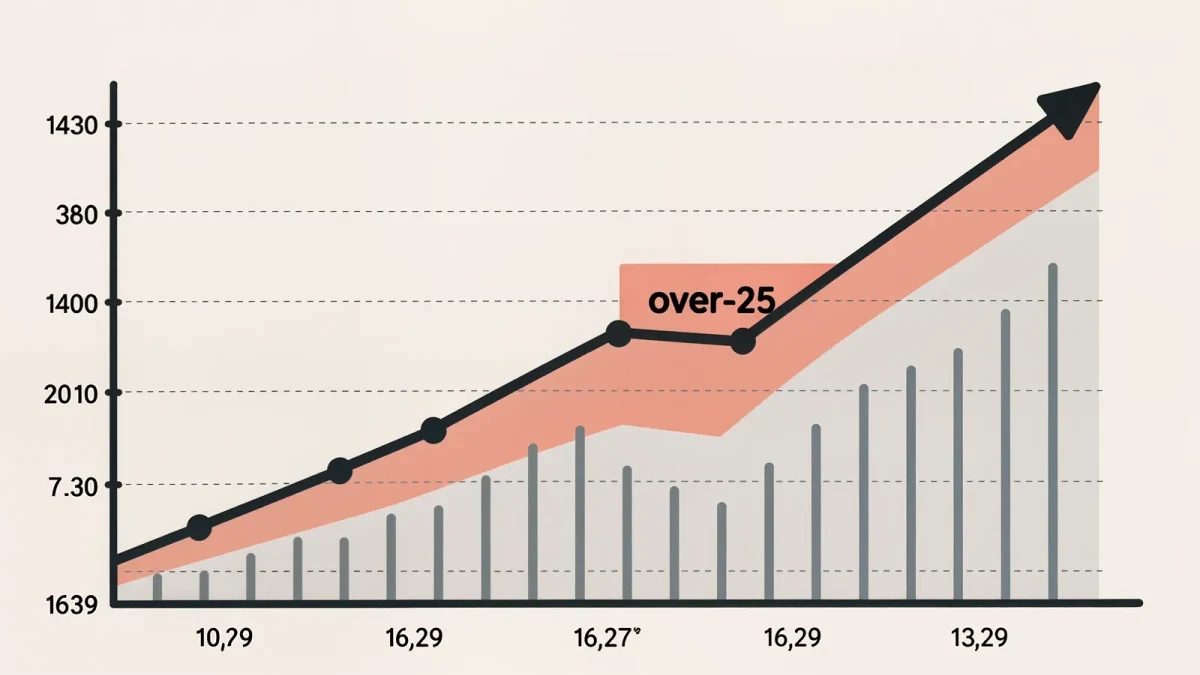
Roughly 36 million American adults have some college credit and no degree, according to the National Student Clearinghouse Research Center, and adults over 25 make up a large share of current undergraduate enrollment. Returning after 30 is a well-worn path, not an unusual one, and the challenges are logistical more than academic: old credits, aid paperwork, employer tuition rules, and family scheduling. This guide walks the sequence in the order that saves the most time and money.
What should you do first?
Before applying anywhere, reconstruct your record. Request transcripts from every institution you attended, including any dual enrollment courses from high school, and any military or professional training. Then check two things: how many credits you earned, and your GPA, because admissions and financial aid eligibility both hinge on them. A surprising share of returning adults discover credits they forgot, and a smaller share discover unpaid balances that hold transcripts hostage — a problem with known solutions, including payment plans and some state debt-forgiveness programs for re-enrollees.
How do you get old credits counted?
Policies differ, and the differences are worth thousands of dollars. As a rule, core academic credits do not expire; skill-based and rapidly changing fields — nursing prerequisites older than a set number of years, computer science from decades past — often face recency limits. Ask each target college three questions: how transfer credit is evaluated, whether they accept credits earned at regionally accredited institutions, and whether they cap transfer credit or require a residency minimum of credits earned from them. Also ask about credit for prior learning: many colleges now award credit for work experience, industry certifications, portfolios, or CLEP and DSST exams, which the Council for Adult and Experiential Learning estimates can shave months off a degree.
Where should an adult enroll?
The honest answer is wherever combines regional accreditation, your target credential, and a schedule you can keep. Regional accreditation is the non-negotiable item; without it, credits and credentials may not transfer or satisfy licensure. Beyond that, the practical comparison is format.
| Option | Best for | Watch for |
|---|---|---|
| Community college | Lowest cost, local, transfer pathways | Check articulation to four-year programs |
| Public university, online or evening | Finishing a bachelor's | Residency and transfer caps |
| Nonprofit online programs | Flexibility at distance | Accreditation type, cost per credit |
| For-profit colleges | Fast scheduling | Higher cost, weaker credit transfer history |
How does financial aid work for adults?
Adults are eligible for federal aid on largely the same terms as younger students: file the FAFSA, demonstrate need, maintain satisfactory academic progress. Differences that matter: you are considered independent for aid purposes at 24-plus, so parental income drops out of the calculation; the Lifetime Learning Credit provides a tax credit of up to 20 percent of 10,000 dollars in tuition expenses per return with no course-load minimum; and employer tuition assistance up to 5,250 dollars per year is excluded from taxable income under federal tax rules. One caution worth stating plainly: if you defaulted on federal loans from a previous attempt — a major reason adults pause enrollment — default must be resolved through rehabilitation or consolidation before new federal aid flows.
What is satisfactory academic progress, and why does it matter?
Satisfactory academic progress, or SAP, is the rule set that ends more returning-adult attempts than any single academic failure. To keep federal aid, students must maintain a minimum GPA, complete a minimum share of attempted credits, and finish the degree within a maximum timeframe. A transcript littered with withdrawals from your early twenties counts against the completion rate even though the grades are old. The good news: schools offer SAP appeals, and a returning student with a documented plan is a strong candidate. File the appeal before the semester starts, not after aid is suspended.
What sequence should you follow?
- Request all prior transcripts and resolve any holds or unpaid balances.
- Choose a target credential and shortlist accredited programs that fit your schedule.
- Ask each program for an unofficial transfer evaluation before applying.
- File the FAFSA; resolve any prior federal loan default first.
- Confirm employer tuition benefits and filing deadlines with HR.
- Start with a moderate course load — two courses, not four — for the first term.
How do you make the schedule survive real life?
Adults do not usually fail out academically; they stop out when logistics break. The mitigations are unglamorous and effective. Choose asynchronous or evening formats only if you have protected time for them. Tell your family the specific weekly hours you are unavailable, in the calendar, in advance. Build a relationship with an advisor who knows adult students, because re-enrollment questions — SAP appeals, leave-of-absence policies, credit resurrection — are handled by people, not websites. And check the institution's stop-out policy before you need it: knowing how to take one term off without losing standing is what separates a pause from a quiet ending.
What outcomes should you weigh before committing?
No program guarantees a salary jump, so evaluate structure rather than promises. Look at the Department of Education's College Scorecard data for typical earnings and debt at completion by field of study, the completion rates for part-time students specifically, and whether the credential is required for the role you actually want. A degree pursued for promotion logic differs from one pursued for licensure, and both differ from a personal-completion degree; all three are legitimate, but they justify different price points.
What if your previous GPA was poor?
Academic forgiveness exists in more forms than most returning adults realize. Many colleges offer academic renewal or academic bankruptcy policies that set aside an old failing term after a defined gap — commonly two to five years — once the returning student completes new coursework successfully. Community colleges run re-enrollment and credit-recovery programs specifically for stopped-out adults, some with dedicated advisors and, in a growing number of states, debt-forgiveness components tied to re-enrollment. Financial aid eligibility after a bad GPA is governed by the satisfactory academic progress rules described above rather than by admissions, so a low old GPA is primarily an admissions question with known answers: apply where entrance requirements are open or moderate, demonstrate success in a first modest term, and transfer onward once a clean record exists.
The psychological arithmetic matters too. Adults frequently overestimate how much a decades-old transcript will count against them and delay returning indefinitely on that basis. Admissions offices that handle adult re-entry routinely evaluate applications holistically for this population; a well-written statement explaining the circumstances of the first attempt and what has changed does real work.
How do certifications and microcredentials compare?
Not every goal needs a degree, and the honest version of this guide says so. If the target role requires a specific credential — many allied health, IT, and skilled trade positions do — a certificate program at a community college or a state-approved provider is faster and cheaper than a bachelor's degree. Industry certifications from recognized bodies can be completed in months. The decision rule is to work backward from actual job postings for the role you want, note which credential appears as required, and enroll in the shortest accredited path to it. Degrees retain their advantage for career mobility, licensure professions, and earnings ceilings documented in Bureau of Labor Statistics data, but they are not the only legitimate endpoint for an adult returner.
Is finishing worth it after this long?
Only you can price the non-financial parts, but the financial baseline is clear: bachelor's degree holders earn substantially more on average and face lower unemployment than workers with some college and no degree, a gap documented across decades of Bureau of Labor Statistics data. Adults who return with a concrete reason and a modest first-term load complete at respectable rates. The variable that predicts persistence is not age; it is whether the logistics were arranged before the first day of class rather than discovered during it.