Homework is the set of tasks a teacher assigns for practice at home, and a parent's job is routine, not rescue. Set a fixed time, a quiet spot, and a stop line — middle schoolers above 90 minutes a day score worse, per the research record — then let the scripts below carry the evenings.
The research context matters for calm. Reference summaries find homework does not improve academic performance among young children, though it may help older students, especially lower-achieving ones. The same record notes homework creates stress for students and parents, which is why the goal here is a workable evening rather than a perfect assignment.
What Does the Research Say About Homework?
The research on homework splits by age. Among young children, more time on homework has not been shown to raise academic performance. Among teenagers, more time tracks with higher grades and test scores, but only to a point.
Students with more than 90 minutes a day in middle school, or more than two hours in high school, score worse. Low-achieving students gain the most from practice, yet teachers commonly assign them less. A 1988 study by Epstein found a near-zero link between homework volume and elementary students' behavior at home. This connects to our earlier piece, Middle to High School Transition: A Practical Guide for Parents.
None of this makes homework useless. It makes the evening a question of size and fit, and that is where a parent has leverage.
How Do You Build a Routine That Holds?
Routines work because they remove the nightly negotiation. The same start time, the same seat, and the same stop line turn homework into an event with edges. Children argue with edges less than with requests.
- Pick one start time on school nights, and protect it like an appointment.
- Keep one homework spot stocked with pencils, paper, and chargers.
- Set a stop line, and hold it even when the work is unfinished.
- End with a two-minute review: what got done, what carries into tomorrow.
If the stop line falls night after night, the assignment load, not the child, is the problem. That signal belongs in a note to the teacher, a step covered below.
What Should You Do When a Child Gets Stuck?
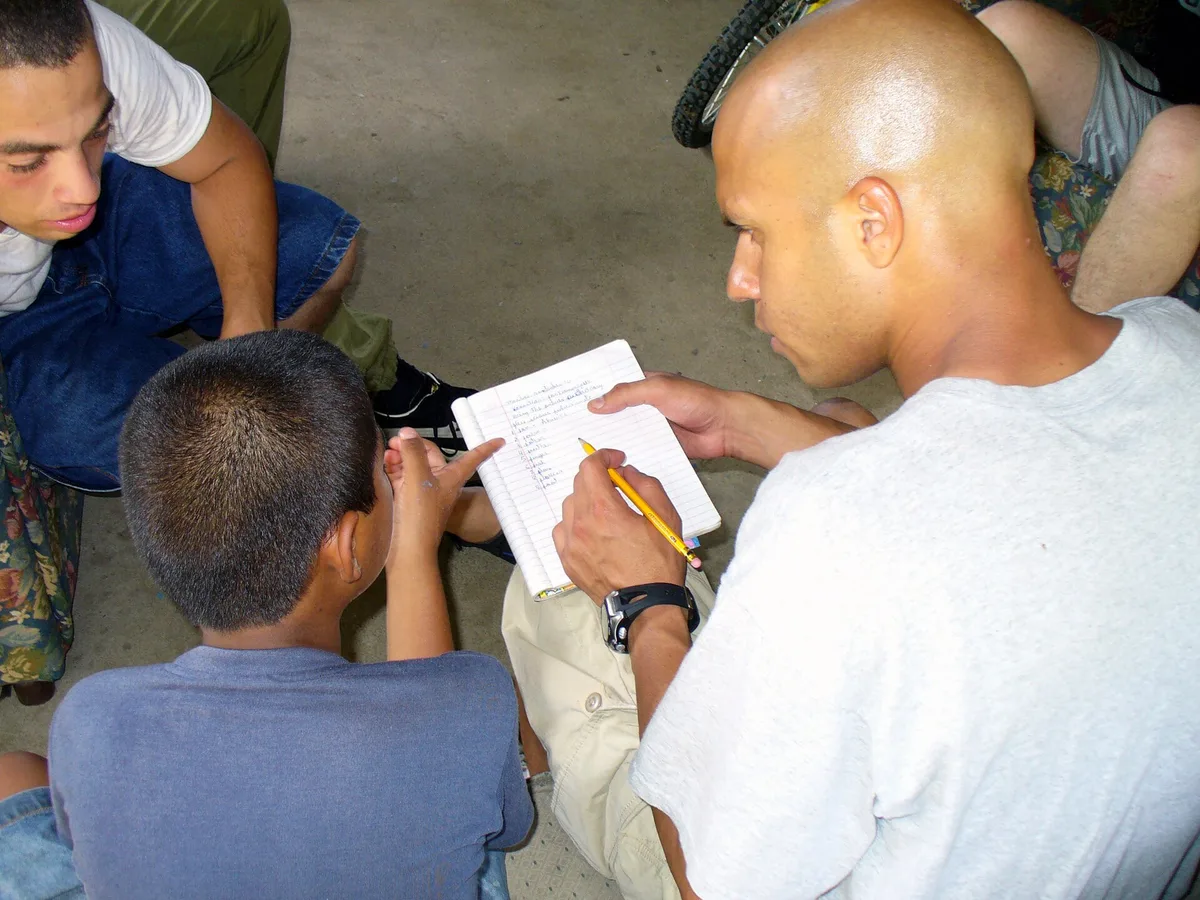
The script is short. Ask what the child has tried, restate the problem in their own words, and wait. Most stalls break once the child hears the problem said aloud.
- 1. Ask: what does the problem say, and what have you tried?
- 2. Have the child restate it in their own words.
- 3. Take a five-minute break away from the desk if the stall continues.
- 4. Write the teacher a note if fifteen minutes pass with no movement.
Skip doing the problem yourself. The teacher loses the information a blank answer carries, and the child learns that rescue arrives on schedule. A note that says where the work stopped gives the teacher more than a finished page would.
How Much Help Is Too Much?
Ownership is the line. Researcher Bempechat argued in 2004 that homework builds motivation and study skills, and those skills grow only when the child owns the start, the struggle, and the finish. A parent who rewrites the work takes the practice without leaving the learning.
Help with structure, not substance. Read the directions aloud, quiz spelling, or time a drill, then step back to the edge of the desk.
When Should a Parent Talk to the Teacher?
Two signals justify a note: the stop line falls often, or the minutes run past the research thresholds — more than 90 in middle school, more than two hours in high school. Teachers assign homework for many reasons, from skill practice to time management. A short talk can reset the fit. For related coverage, see Dual Enrollment Guide: How High Schoolers Earn Real College Credit.
Keep the note factual: dates, minutes, and where the work stalled. A dated log keeps the exchange neutral and gives the teacher real numbers to work from.
Conclusion: Keep the Evening Bigger Than the Assignment
Homework goes easier when parents trade supervision for structure. Set the time and the place, hold the stop line, and coach with questions rather than answers. Loop in the teacher when the load runs hot. The assignment is the teacher's; the evening is the family's.