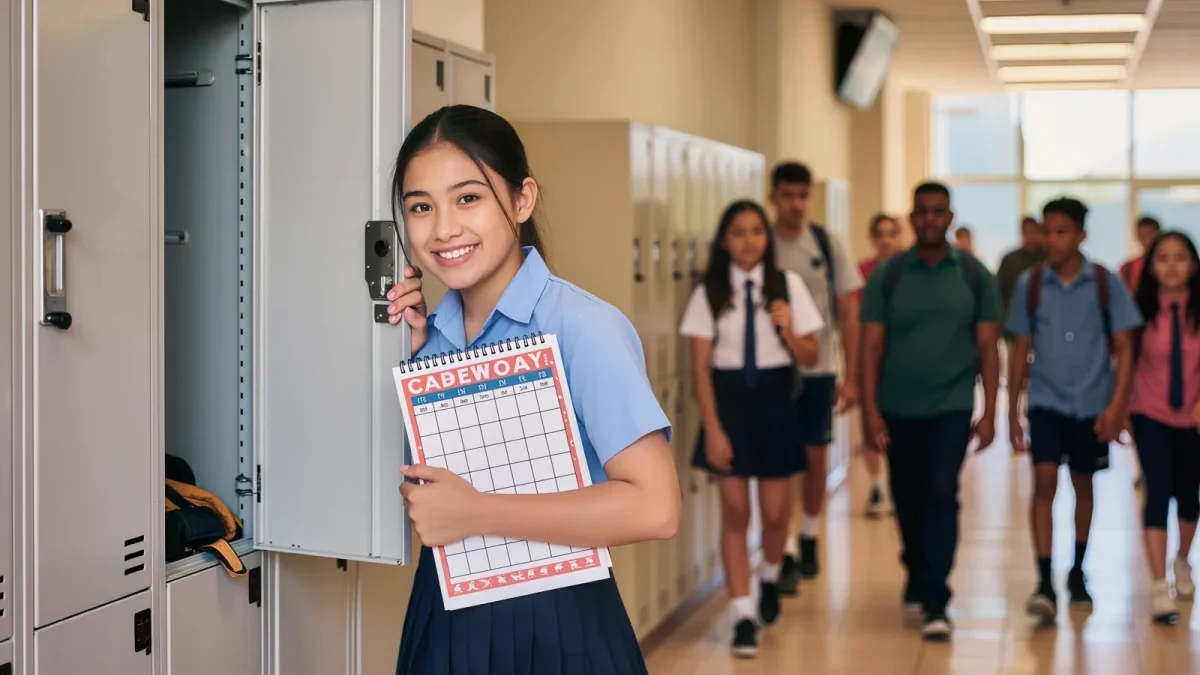
The move from middle to high school is the point where grades start counting toward graduation, and ninth grade is the year educators watch most closely: course failure in ninth grade is one of the strongest known predictors of not graduating on time, a pattern documented in University of Chicago Consortium research on freshman-year performance. Support structures vary by school and state, but the underlying transition mechanics are the same everywhere. Here is what changes and what parents can do at each step.
What actually changes in ninth grade?
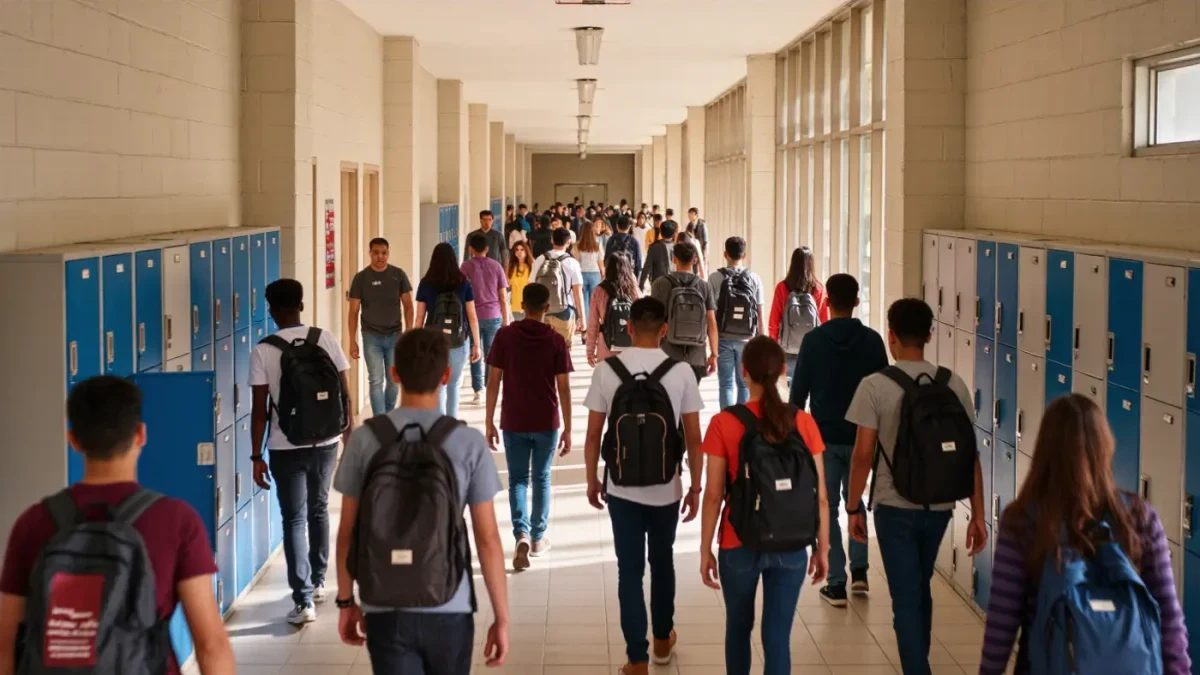
Three things change at once. Academically, grades convert into credits, and credits accumulate toward a diploma, typically 22 to 26 depending on the state. Organizationally, students move from one or two core teachers to five or six, each with separate expectations, platforms, and grading weights. Socially, the peer pool roughly doubles as middle schools merge, and unstructured time — lunch, passing periods, electives — expands. Students who struggled in middle school mainly because of organization, not ability, are the ones most exposed.
Why is freshman year GPA weighted so heavily?
It is not that ninth-grade courses are harder on paper; it is that the record becomes permanent. Class rank, transcript GPA, and initial eligibility for advanced courses often trace back to ninth grade, and some four-year college application systems ask for grades from every year of high school. More important than the GPA itself is the failure pattern: a failed core course in ninth grade starts a credit deficit that compounds, because students must retake courses while keeping up with new ones. Districts respond with credit recovery options, but prevention through early monitoring is cheaper in every sense.
How can you prepare in eighth grade?
- Attend the high school's information night and ask how counselor caseloads work.
- Review the middle school's last report card honestly: any C or below in math or English predicts trouble.
- Ask whether ninth-grade math placement is test-based, teacher-recommended, or parent-elective.
- Check summer options — algebra preview or bridge programs — before June, not August.
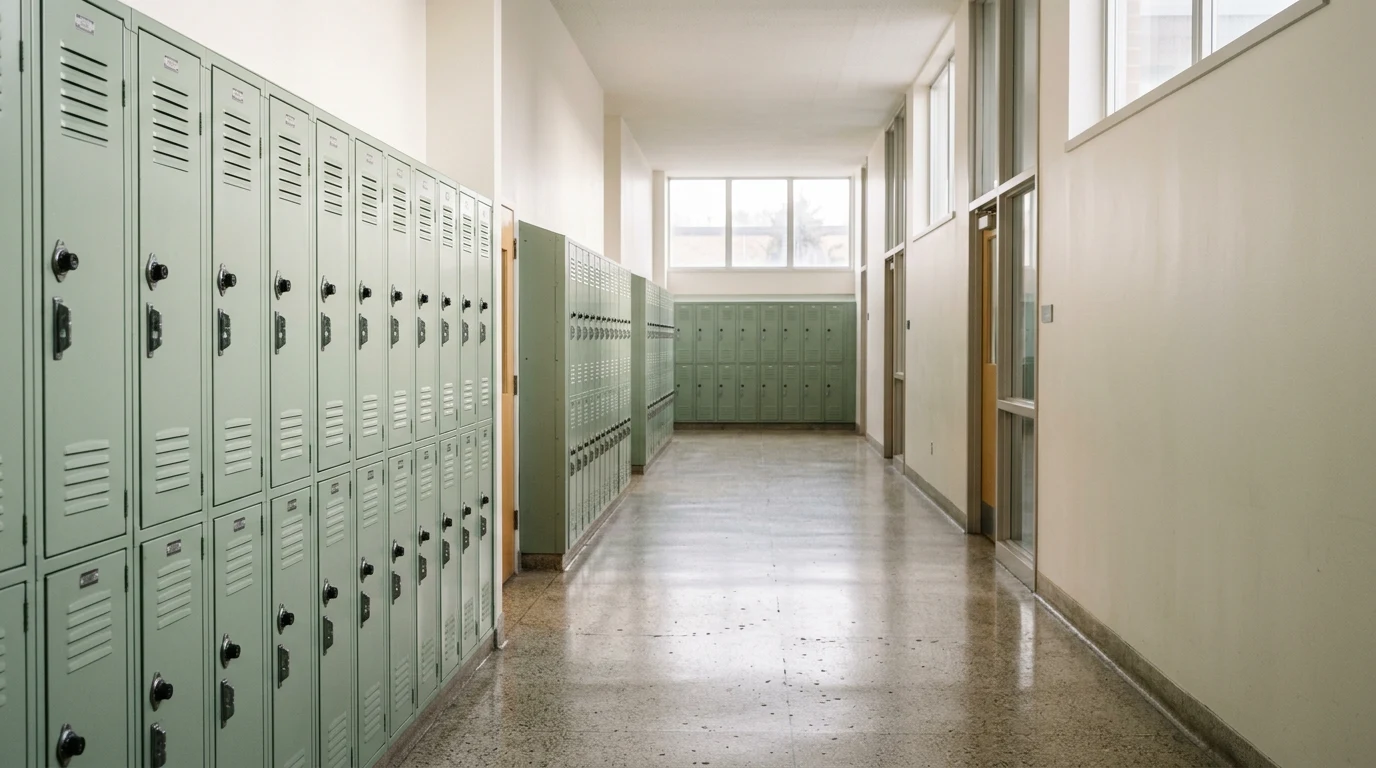
- Practice the logistics your child has never managed: a combination lock, a rotating schedule, multiple platform logins.
What should you do in the first six weeks?
The first grading period sets habits for the year. Sit down with the grade portal together in week two, not after the first report card. Agree on a weekly five-minute check that your child leads and you watch. Ask teachers one specific question at open house: how homework is weighted and when it posts. Introduce yourself to the counselor whose caseload includes your child, because that person becomes your fastest route to information for four years.
How involved should a parent be?
Less than in middle school on daily tasks, more than most parents plan on systems. High school is designed to transfer responsibility to the student, and rescuing a disorganized fifteen-year-old nightly prevents that transfer. The useful parental role is monitoring and triage: check the portal weekly, read interim comments, and act on the first F rather than the third. If a course is going wrong, the moves that work are a teacher meeting, a tutoring request, and a schedule conversation with the counselor — in that order, early.
What social shifts should you expect?
Friend groups reshuffle in ninth grade because the incoming class merges and activities sort people differently. That reshuffle is normal, but two patterns deserve adult attention. Persistent lunchtime isolation in the first months is worth a counselor conversation, because chronic social disconnection tracks with disengagement from school. And sudden friend-group changes paired with falling grades are often the same problem wearing two masks. Athletics, clubs, and activity buses are the standard institutional answers; most schools run a club fair in early fall, and showing up to it is a low-cost intervention.
How do electives and course levels work?
High schools sort courses into levels — standard, honors, Advanced Placement, dual enrollment — and the sequencing decisions start in ninth grade. Placement rules differ, but the general principle holds: taking the most advanced course available in a subject your child is genuinely prepared for keeps doors open, because math and foreign language sequences are hard to join late. Balance matters more than acceleration across the board; a student drowning in all-honors schedules loses more than a mixed schedule gains.
What warning signs suggest real trouble?
| Signal | What it may mean | First response |
|---|---|---|
| Failing one core course at midterm | Content or study-skill gap | Teacher meeting within the week |
| Chronic absenteeism | Avoidance, anxiety, or work obligations | Counselor conversation, attendance plan |
| Missing assignments in one class only | Conflict or comprehension issue with that course | Email the teacher directly first |
| Broad withdrawal from friends and activities | Social or emotional strain | Counselor, then school-based support referral |
What role does the school counselor play?
The counselor is the single most useful adult in the building for a transitioning family, and also the scarcest. Caseloads in many states run far above the 250-to-1 ratio recommended by the American School Counselor Association, with some states averaging over 400 students per counselor. That reality shapes strategy: build the relationship early, keep requests specific, and use email for anything that does not need a meeting. The counselor controls scheduling changes, monitors credit pace, coordinates interventions when grades slip, and writes the letters that follow your child through graduation. A five-minute introduction at fall open house pays for itself four times over by spring.
Know also what counselors do not do. In many districts, college admissions counseling at high-poverty schools has thinned out, and mental health referrals go through separate staff or contracted providers. If your child needs sustained emotional support, ask specifically who provides it, how referrals work, and what the wait looks like — the answer varies more between schools than any academic program does.
What role do sports and activities play in the transition?
Activities are the retention machinery of ninth grade, and the research on belonging is consistent: students connected to one adult and one activity are markedly more likely to stay on track. Fall sports and marching band begin practicing weeks before classes start, which gives participants an established peer group on day one — one reason coaches and band directors often see smoother transitions than the average classroom teacher does. Families without a sport in mind should scan the club list anyway; robotics, debate, theater crew, and student council all run on the same belonging logic with lighter schedules. If transportation is the barrier, ask about the activity bus before assuming nothing is possible.
What should tenth-grade planning look like?
By tenth grade the record exists, and the task shifts to using it. Review the transcript with the counselor, confirm credit pace against your state's graduation requirements, and test the PSAT or its state equivalent for a neutral reading of skills. Tenth grade is also the right year to connect course levels to concrete postsecondary options, since eleventh-grade course requests arrive earlier than families expect. The parents who navigate this well treat the transition not as a single August event but as a two-year sequence that starts in the spring of eighth grade.